Dual-station 1-cavity
Machine Introduction
Our Automatic Dual-Station 1-Cavity Blow Molding Machine is a high-efficiency solution engineered for the precision production of hollow plastic products. Featuring an innovative dual-station turntable design, this machine enables simultaneous operation on two independent stations, significantly boosting output while maintaining consistent product quality.
| Max. product volume | |
| Motor power of hydraulic | |
| Motor power of extruder | |
| Theoretical production capacity | |
| Mold board distance | |
| Thickness of mold | |
| Width of mold | |
| Force of closing mould 60 80 | |
| Speed regulating method |
Name1
photo introduction photo introduction photo introduction photo introduction photo introduction photo introduction photo introduction photo introduction photo introduction photo introduction photo introduction photo introduction photo introduction photo introduction photo introduction photo introduction..
Name2
photo introduction photo introduction photo introduction photo introduction photo introduction photo introduction photo introduction photo introduction photo introduction photo introduction photo introduction photo introduction photo introduction photo introduction photo introduction photo introduction..
Dual-Station Configuration: The rotating turntable allows one station to perform parison forming and blowing while the other handles demolding and loading, drastically reducing cycle time and increasing overall productivity.
Precision 1-Cavity Molding: Each station is equipped with a single precision-engineered cavity, ensuring exceptional dimensional accuracy, surface finish, and wall thickness uniformity—ideal for high-quality bottle and container production.
User-Friendly Control: The machine is integrated with an advanced PLC control system and touchscreen interface, offering intuitive operation, real-time monitoring, and programmable parameters for different product specifications.
Energy Efficiency: Optimized hydraulic and pneumatic systems minimize power consumption without compromising performance, reducing operational costs.
Robust Construction: Built with high-grade components and durable materials, the machine ensures long-term reliability and stable operation even under continuous heavy-duty production.
This versatile machine is well-suited for manufacturing a wide range of hollow products, including:
Plastic bottles (for beverages, daily chemicals, and pharmaceuticals)
Containers and canisters
Industrial hollow components
Household plastic goods
With its combination of high throughput, precision molding, and operational stability, our Dual-Station 1-Cavity Blow Molding Machine is the ideal choice for manufacturers seeking to enhance production efficiency and product quality.
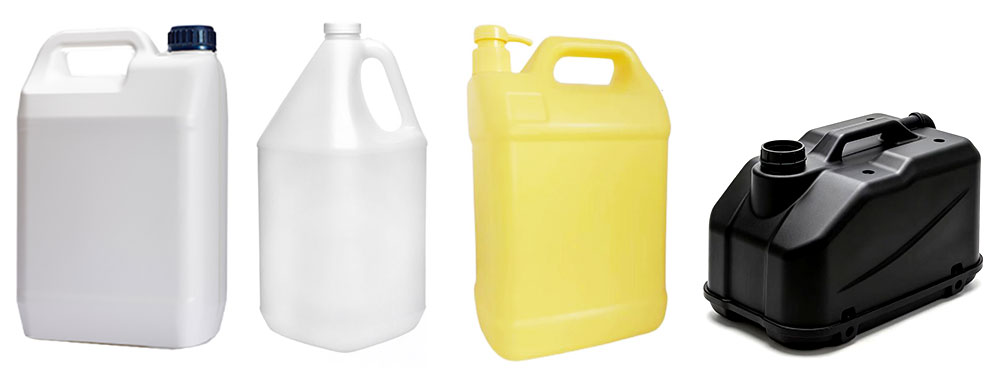
Click here to edit your content.
Cangzhou Back Machinery Manufacturing Co., Ltd. is a professional export-oriented company specializing in the research, development, production, and sales of fully automatic and semi-automatic electric blow molding machines.
We mainly produces a full range of efficient, energy-saving, and highly stable blow molding equipment, covering small, medium, and large models. It can manufacture plastic bottles and hollow plastic products from materials like HDPE, PP, and PET, widely used in daily chemicals, beverages, food, pharmaceuticals, industrial packaging, and household goods.
We provide global customers with one-stop services including equipment customization, mold development, on-site installation guidance, and lifetime after-sales technical support. With excellent product quality, competitive factory prices, and thoughtful foreign trade services, we have been deeply cultivating overseas markets for many years.
Q: How to choose between fully‑automatic and semi‑automatic blow molding machines?
A: Choose semi‑automatic for small‑batch production, limited budget and frequently‑changed product specifications. Choose fully‑automatic for mass‑volume production, labor saving and stable continuous output. A semi‑automatic machine requires 1‑2 workers for part taking and trimming, while the fully‑automatic model supports near‑unmanned operation.
Q: What products are suitable for accumulator‑head blow molding machines?
A: It is mainly used for large‑capacity hollow articles, such as 20L‑200L chemical drums, water tanks, amusement parts and automotive plastic components. It fits heavy‑weight thick‑wall products which ordinary machines cannot produce.
Q: What plastic materials can the blow molding machine process?
A: Main materials: HDPE, PP. Some models support LDPE and EVA. For PET bottles, injection‑blow integrated machines are recommended; ordinary hollow blow molding machines are not ideal for PET processing.
Q: What auxiliary machines are required for a blow molding unit?
A: Chiller, screw air compressor, auto loader, material mixer and plastic crusher. Optional equipment includes mold temperature controller and material dryer based on raw materials and output requirements.
Q: Which machine is suitable for 1‑5L plastic bottles?
A: Medium‑small fully‑automatic blow molding machines are recommended for 1‑5L daily‑chemical bottles and oil bottles. Multi‑cavity molds can be matched to improve production capacity.
Q: What causes uneven wall thickness of finished parts?
A: ① Improper die head gap adjustment; ② Unstable parison extrusion speed; ③ Raw material temperature fluctuation; ④ Inconsistent mold cooling performance; ⑤ Unstable extrusion pressure of accumulator head.
Q: How to solve air‑bubble defects on blow‑molded products?
A: Dry damp raw materials; reduce barrel temperature to avoid material decomposition; check screw compression ratio; remove moisture and impurities inside raw materials.
Q: Obvious parting line and large flash on products, how to fix?
A: Insufficient clamping force; worn mold parting surface; excessive clearance of clamping mechanism; excessive parison material volume.
Q: Products cannot be fully blown out or have local depressions?
A: Insufficient blowing air pressure; blocked blowing nozzle; over‑fast mold cooling; too‑short parison; blocked mold exhaust holes.
Q: Difficult demolding, plastic sticking to mold cavity?
A: Excessively high mold temperature; insufficient draft angle; rough mold cavity surface; over‑high raw material temperature; appropriate release agent can be added.
Q: What pre‑start‑up inspections shall be done for new machines?
A: Check hydraulic oil level, air compressor pressure and chiller water circulation; confirm mold fastening; keep heating zones at target temperature for 30‑minute heat preservation; perform dry clamping test before feeding raw materials.
Q: What to do if hydraulic oil temperature is too high?
A: Check cooling performance of chiller; replace aged hydraulic oil; reduce excessive relief‑valve pressure; avoid long‑time non‑stop running. Replace hydraulic oil periodically.
Q: Daily maintenance for screw and barrel?
A: Clean barrel thoroughly when switching raw materials; lower temperature for long‑time shutdown; prevent metal hard objects from entering feeding port to avoid screw scratch; inspect wear clearance regularly.
Q: How often to sharpen crusher blades?
A: Inspect blades every 2‑3 months under normal production. Sharpen blunt blades timely. Over‑large crushed particles will harm finished product quality.
Q: Frequent alarm of chiller, root causes?
A: Filter blocked by impurities in cooling water; insufficient water level; dust‑covered condenser; excessive ambient temperature; blocked circulating pipeline.
Q: What is your machine lead time?
A: 30‑45 working days for standard models; 45‑60 working days for customized and accumulator‑head models, excluding sea freight time.
Q: Can the machine match our local voltage?
A: Yes. Voltage and frequency can be customized according to clients’ local power grid for motors and electric control system.
Q: Do you supply molds? What is mold service life?
A: Custom‑developed molds are available. Aluminum alloy molds: hundreds of thousands shots; steel molds: more than one million shots, subject to products and raw materials.
Q: What services are included for exported machines?
A: Pre‑shipment inspection & testing; English operation manual; remote video guidance for installation & commissioning; oversea on‑site technical service available (travel expenses borne by buyer); lifetime technical after‑sales support.
Q: What is the warranty period?
A: 12‑month whole‑machine warranty. Wearing parts (blades, sealing rings, heater bands) are excluded from warranty. Original spare parts can be supplied continuously after warranty expiration.
Q: How much floor space does the machine need? How large workshop is required?
A: Medium‑small fully‑automatic machine occupies about 6‑10 ㎡. Large accumulator‑head machines need larger space. Extra space shall be reserved for auxiliary machines and finished‑goods turnover. You may send your site dimension for our layout suggestion.
